
BILDER
 ARTIKLAR I WIKIPEDIA
Artiklar i Wikipedia som innehåller information om detta objekt eller närliggande ämnen.
Det finns inga länkar för objektet.
 ARTIKLAR I WIKIDATA
Artiklar i Wikidata som innehåller information om detta objekt.
Det finns inga länkar för objektet.
 BILDER I WIKIMEDIA COMMONS
Bilder i Wikimedia Commons som avbildar detta objekt.
Det finns inga bilder som avbildar objektet.
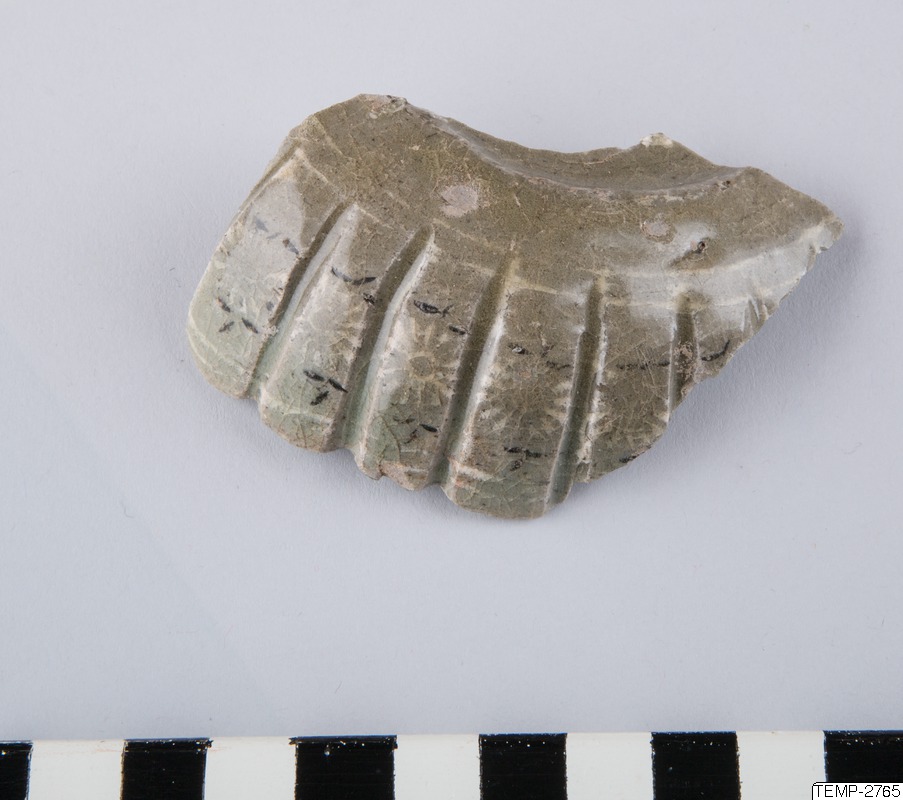
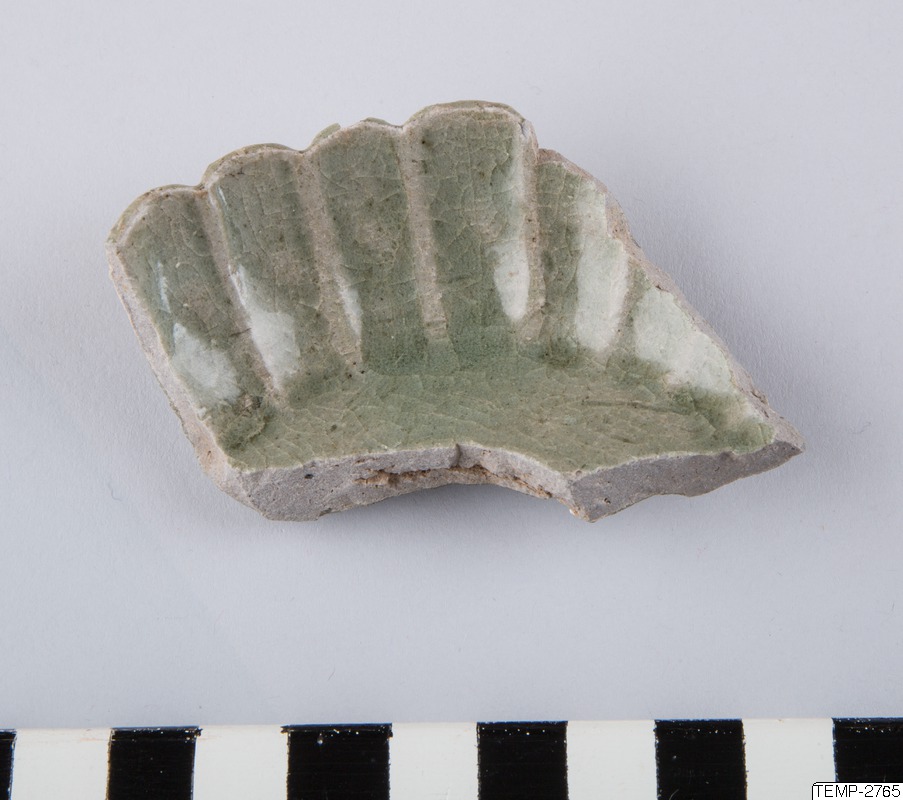
fragment, skärva, celadon sherd
Föremål
Upphovsman: <presImageByline>Jeppsson, Johan
Upphovsrätt: <presImageCopyright>
Statens museer för världskultur
Licens: <mediaLicense>

| Typ <itemType> | Objekt/föremål |
|---|---|
| Plats <presPlaceLabel> | Sydkorea, Nordkorea |
| Land, engelska / ursprung <itemDescription> |
|
| Land, engelska / ursprung <itemDescription> |
|
| Beskrivning, engelska <itemDescription> |
|
| Förvärvsomständigheter, engelska <itemDescription> |
|
| Sakord, korea <itemDescription> |
|
| Beskrivning, Korea <itemDescription> |
|
| Period, engelska <itemDescription> |
|
| Period, koreanska <itemDescription> |
|
| Titel, engelska <itemDescription> |
|
| Förvärvsomständigheter, koreanska <itemDescription> |
|
| Titel, koreanska <itemDescription> |
|
| Datering, engelska <itemDescription> |
|
| Händelse <context> |
|
| Material, engelska<itemMaterial> |
|
| Materialkategori<itemMaterial> |
|
| Material, korea<itemMaterial> |
|
| Material<itemMaterial> |
|
| Nyckelord <itemKeyWord> |
|
| Sakord, engelska<itemName> |
|
| Sakord<itemName> |
|
| Ämne <subject> |
|
| Accessionsnummer <itemNumber> |
|
| Tidigare identitet <itemNumber> |
|
| Rättigheter för metadata <itemLicense> |

|
| Källa <presOrganization> | Statens museer för världskultur - Östasiatiska museet |
| Källa <url> |