
BILDER


 ARTIKLAR I WIKIPEDIA
Artiklar i Wikipedia som innehåller information om detta objekt eller närliggande ämnen.
Det finns inga länkar för objektet.
 ARTIKLAR I WIKIDATA
Artiklar i Wikidata som innehåller information om detta objekt.
Det finns inga länkar för objektet.
 BILDER I WIKIMEDIA COMMONS
Bilder i Wikimedia Commons som avbildar detta objekt.
Det finns inga bilder som avbildar objektet.
papyrus, forgery, staff, stav, förfalskning
Föremål
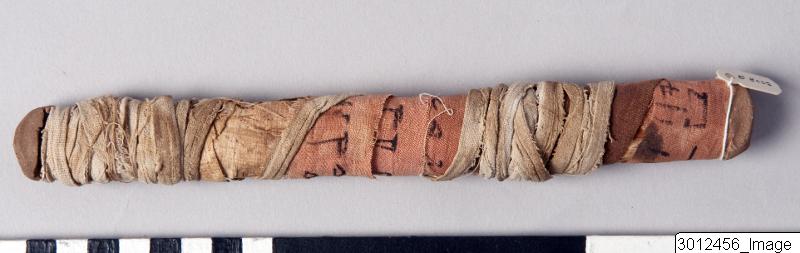
Upphovsman: <presImageByline>Uppgift om fotograf saknas
Upphovsrätt: <presImageCopyright>
Statens museer för världskultur
Licens: <mediaLicense>

| Typ <itemType> | Objekt/föremål |
|---|---|
| Datering <presTimeLabel> | New Kingdom, 18th Dynasty, Amenhotep III (1410-1372 BC) [supposedly] |
| Plats <presPlaceLabel> | Afrika, Egypten |
| Description <itemDescription> |
|
| Inventory number <itemDescription> |
|
| Acquisition <itemDescription> |
|
| Dimensions <itemDescription> |
|
| Exhibitions <itemDescription> |
|
| Period, Swedish <itemDescription> |
|
| Utställning / ingår i <itemDescription> |
|
| Country / Findspot <itemDescription> |
|
| Exhibition, Part of / Current <itemDescription> |
|
| Description, Swedish <itemDescription> |
|
| Acquisition, Swedish <itemDescription> |
|
| Exhibition, showcase / Current <itemDescription> |
|
| Egyptenutställningen 2014, English / Label <itemDescription> |
|
| Egyptenutställningen 2014, Swedish / Label <itemDescription> |
|
| Händelse <context> |
|
| Material, engelska<itemMaterial> |
|
| Material<itemMaterial> |
|
| Nyckelord <itemKeyWord> |
|
| Mått <itemMeasurement> |
|
| Object, Swedish<itemName> |
|
| Object<itemName> |
|
| Ämne <subject> |
|
| Inventory number <itemNumber> |
|
| Acquisition number <itemNumber> |
|
| Previous ID <itemNumber> |
|
| Egypt, Number in Exhibition <itemNumber> |
|
| Rättigheter för metadata <itemLicense> |

|
| Källa <presOrganization> | Statens museer för världskultur - Medelhavsmuseet |
| Källa <url> |




